
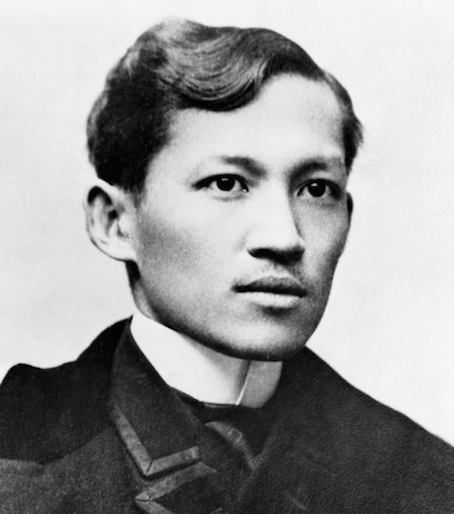
Yasotarō Mōri
Steadfast to His Principles
When word reached him that Rizal had been unlawfully detained by the Governor-General on the night of July 7, Bonifacio concluded at once that if even a moderate man like Rizal could be treated this way, reform in the Philippines could only be achieved through more forceful means, and he immediately organized the Katipunan (rendered here, for convenience, as the “League of Filipino Youth”). Its bylaws were much like those of the earlier League, but its aim — “to separate from Spain by peaceful means” — was fundamentally different from that of the League.
The League disbanded after about a year, but Bonifacio’s faction redoubled its efforts to rally supporters and strengthen unity, and by 1894 men such as Aguinaldo too had joined, greatly raising its momentum. Two years later, in 1896, they had grown bold enough to march in procession through the streets on a certain feast day.
In May of that year, Bonifacio sent a young fellow physician-activist, Pio Valenzuela, as a secret emissary to Rizal in Dapitan, to urge him to rise up (to allay suspicion, Valenzuela brought a blind man along and let it be known that he had come seeking treatment for the man’s eye ailment from Rizal). But when Rizal was told that the Katipunan had already elevated him to the position of deputy leader, he — who had long opposed armed revolution — was extremely indignant that his name had been used without his consent. His reaction was so vehement that Valenzuela, who had planned to stay a full month to talk Rizal around, hastily took his leave that same day, boarding the very ship that had brought him from Manila.
Some years before, Rizal had received a letter to the following effect from his revered friend and mentor, Dr. Blumentritt, whom he held in the highest regard.
“I urge you in particular not to become involved in inciting revolution. Anyone unwilling to bear the pangs of conscience for having shed blood needlessly ought to have reasonable confidence in success before starting a revolution. Numerous precedents demonstrate that when a colony rises against its mother country, it cannot prevail through its own strength alone. The United States won its independence with the help of France, Spain, and the Netherlands. Spain’s colonies in South America became republics by seizing the opportunity of civil strife in the home country. Greece became a free nation through the support of Britain, Russia, and France. If the Philippines were to raise the banner of revolt today, standing alone and without a navy, there would be no prospect of success. Moreover, the rebels do not possess enough ammunition to fight for more than five months. What is more, too many Filipinos still place their trust in the friars. A revolution would only bring honor to those who fall in it, while increasing the persecution inflicted by the oppressor.”
コメント