
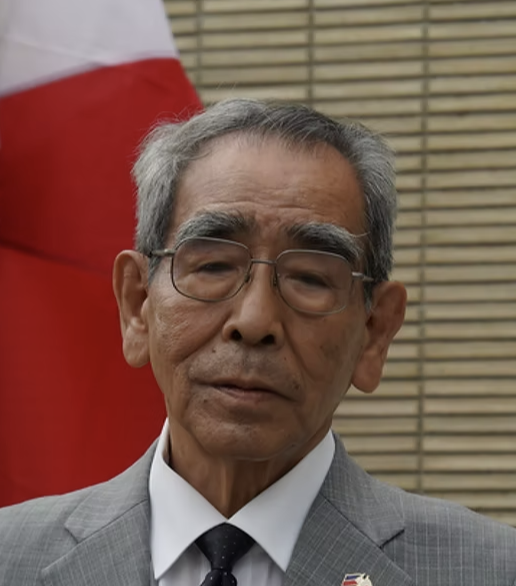
Pinoy-Hapon United Foundation (PHUF), a non-profit organization, Honorary Chairman Takeshi Asanuma
In the 1940s, “Manila” was a beautiful city known as the “Pearl of the Orient.” Situated at the far end of Manila Bay, it was a city blessed with a natural harbor, spreading across the area around the mouth of the “Pasig River.”
”Manila” was richly influenced by the “Southern European culture” of the Spaniards and became a beautiful “capital.” “Intramuros” was lined with majestic stone buildings and was the center of “colonial administration.” Outside its walls spread the government quarter developed during the American period, where the National Assembly building and others in the “neoclassical style,” adorned with “white round columns,” stood serenely, a scene reminiscent of ancient “Rome.”
In the city district, reinforced-concrete buildings stood in rows, and “streetcars” and “public buses” ran along paved roads. Passersby were fond of the “kalesa (small horse-drawn carriage)”; “gentlemen” wore “white linen suits” and “boater hats,” while ladies strolled in stylish dresses with slightly squared shoulders, holding parasols. The bridges spanning the “Pasig River” were elegantly decorated. The cries of street vendors gave the city its color.
The broad seaside avenue later known as “Roxas Boulevard” was then called “Dewey Boulevard,” and it ran south along the sea from the Luneta (Rizal Park).
The beautiful cityscape known as the “Pearl of the Orient” suffered devastating damage in the “Battle of Manila” of February to March 1945. “War” is a foolish thing.
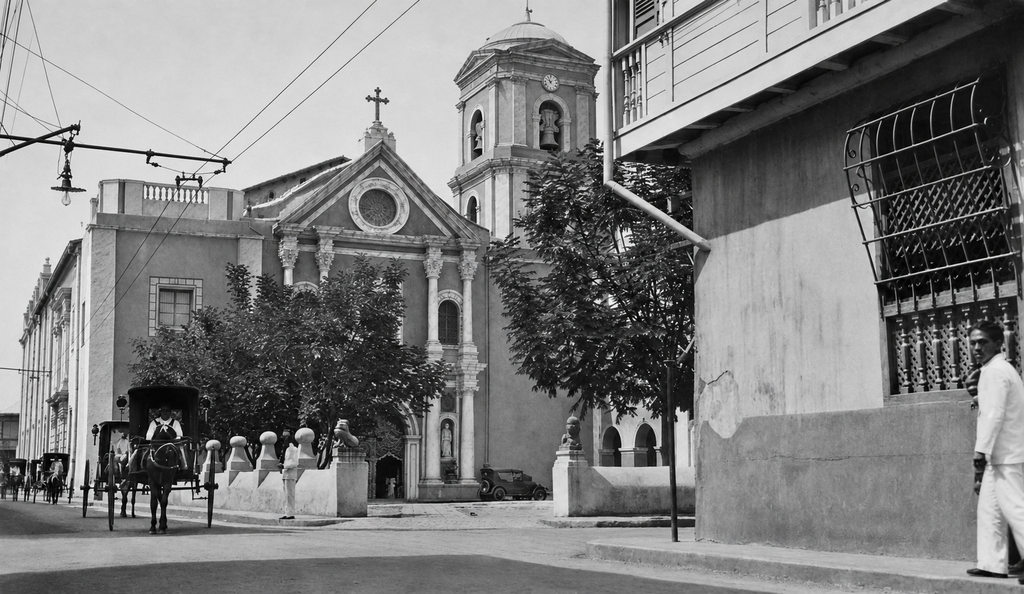
(San Agustin Church in Intramuros, built in the 17th century, which escaped the flames of the Battle of Manila, in which more than 90 percent of the structures above ground were reduced to rubble)
コメント