
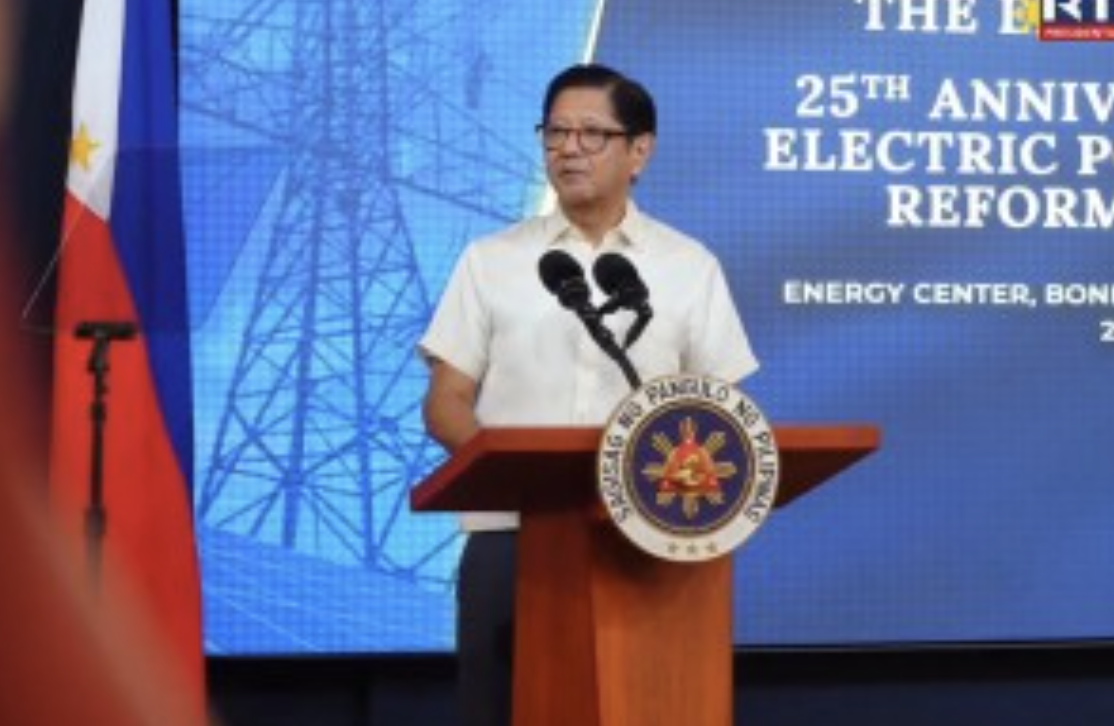
Representative Bernos, a member of the House Committee on Nuclear Energy, welcomed on the 3rd President Ferdinand R. Marcos Jr.’s (PBBM) call to reconsider nuclear power as a way to strengthen the country’s energy security and curb soaring electricity rates.
Middle East Tensions and Energy Diversification
Representative Chin Bernos of the Solid North party-list said in a statement:
“The impact of the Middle East situation on our country underscores the need to reduce our dependence on oil. Nuclear energy is a subject of much debate and will not happen overnight, but it is clear that we need to explore other alternatives — not just nuclear, but also solar, wind, geothermal, and other energy sources.”
The representative further emphasized, “This is a long-term process. Whatever begins within the remaining two years of the Marcos administration’s term is only the first step in an enormous amount of groundwork toward the use of nuclear energy. It should not be rushed, and there should be no shortcuts.”
Challenges to Reactor Operation and International Cooperation
Representative Bernos cited the following as complex challenges that must be resolved before an actual reactor can begin operating:
- The need to develop human resources in construction, operation, maintenance, and other fields related to the use of nuclear energy
- Consultation and close cooperation with other countries that have successfully adopted nuclear energy
The representative said, “To prevent accidents and tragedies, we want to learn from the best practices of other countries that have walked this same path, and work closely with them.” This is likely a reference, in particular, to lessons drawn from the 2011 Fukushima nuclear accident.
Key Statements and Actions So Far
- Emphasis on energy security and lower electricity rates: He has repeatedly stated that adopting or reconsidering nuclear power is necessary to lower soaring electricity rates and secure energy that is not at the mercy of developments such as Middle East tensions (most recently in the July 2026 State of the Nation Address, among other occasions).
- Emphasis on ensuring safety and public understanding: He has set out a policy of “reliably ensuring safety and thoroughly explaining the benefits of nuclear power to the public.”
- Drafting an adoption roadmap: The Department of Energy (DOE) has, among other steps, drafted proposed bidding guidelines, but the realistic timeline for the first unit to begin operating is expected to be around 2038 at the earliest, and the process is being carried out cautiously as a long-term undertaking.
- Legal groundwork (establishment of an independent regulatory body): He signed into law the Philippine National Nuclear Energy Safety Act, establishing the Philippine Atomic Energy Regulatory Authority (PhilATOM), an independent body responsible for safety regulation in line with international standards (September 2025).
- Advancing international cooperation and workforce development: Cooperation agreements in the nuclear field and arrangements for training engineers have been concluded with other countries, including the United States, as part of laying the groundwork for adoption.

コメント